
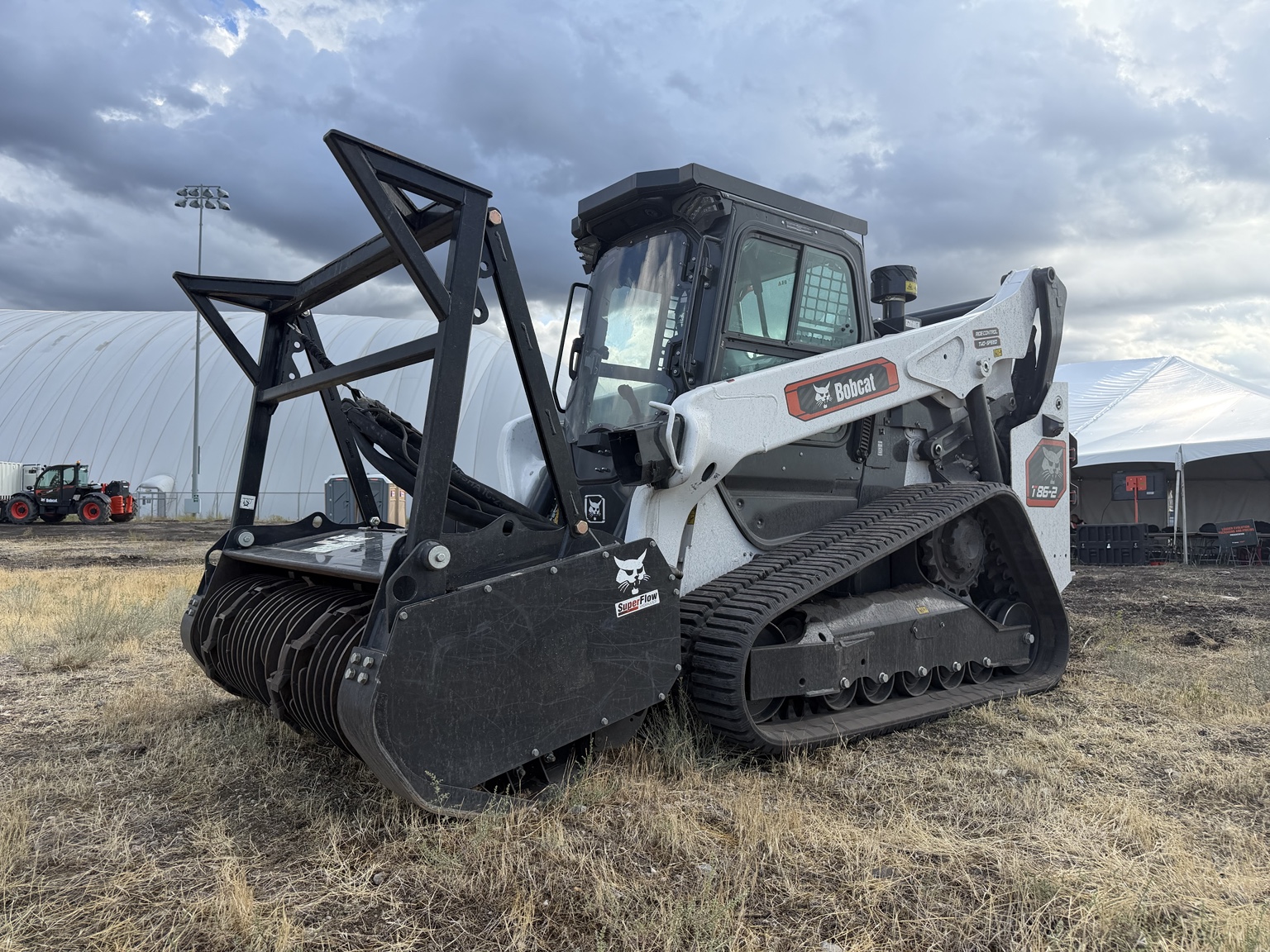
I just returned from Bobcat Loader Evolution regional training with a closer look at the changes to Bobcat’s compact loaders. For customers comparing machines, the first thing to understand is the distinction between the Classic and Pro lineups.
Classic focuses on familiar operation and practical equipment choices. Pro brings the larger changes to drive response, the cab, electrical systems and operator technology. The right choice depends on the work you do and which features you will use regularly.
01
Where Classic fits
The current Classic compact track loader lineup includes the T450, T595, T650 and T770. These machines offer a range of sizes while keeping the emphasis on straightforward operation.
Classic also receives updates. The training covered a 5-inch Deluxe Display, machine information and maintenance alerts, along with rear-camera integration in the applicable Comfort Plus package. Exact equipment varies by model and package. Bobcat’s lineup overview shows the current Classic and Pro models.
For a ranch, property owner or contractor, start with the jobs that already occupy most of your loader’s time. If those are loading, cleanup, moving material and running familiar attachments, a properly sized Classic deserves a place in the comparison. That recommendation still depends on capacity, hydraulic requirements and the operator’s preferred controls.
02
What Pro changes
Pro compact track loaders include the T64-2, T66-2, T76-2 and T86-2. Training focused on improvements operators interact with throughout the day.
Four selectable drive modes let the operator adjust machine response. Balanced, Agile, Dynamic and Charged provide different response characteristics, so the loader can be set up around the operator and the task.
The redesigned cab includes larger HVAC and throttle knobs, revised storage, a covered door latch and USB-A and USB-C charging. Seating and other comfort features depend on the package. These are useful items to compare from the seat, especially if you spend several hours a day in the machine.
Bobcat also covered changes to electrical sealing, harness protection and component placement. Service-access updates include relocating the hydraulic sight gauge beside the fill cap behind the access door. These details deserve attention when you look over a machine with the service team.
03
Choose around your work
Bring us your attachment list and a description of your busiest week. That gives us a better starting point than choosing a loader from horsepower alone.
- What do you lift, and how high does it need to go?
- Which attachments do you own or plan to buy?
- How much time will the machine spend on each job?
- Who operates it, and which controls do they prefer?
- What spaces does the machine need to work in?
A customer loading tall trucks may put lift geometry near the top of the list. A contractor running a hydraulic attachment for hours at a time needs to compare hydraulic capability and cooling. An owner who uses a loader a few hours each week may put more value on a familiar setup and the total purchase cost.
04
Talk through the actual configuration
We can help compare the model, undercarriage, controls and attachment requirements together. Availability and technology options should be confirmed for the machine being quoted.
Explore Bobcat loaders at Shepherd’s Garage, or contact your local team in Jackson, Dillon, Helena or Victor. Tell us what your current loader does well and where it falls short.
Shepherd’s Garage · Montana
Let’s put the right loader to work.
Tell us about your operation, attachments and current machine. We’ll help you compare the configurations that fit.
More from Bobcat Loader Evolution