
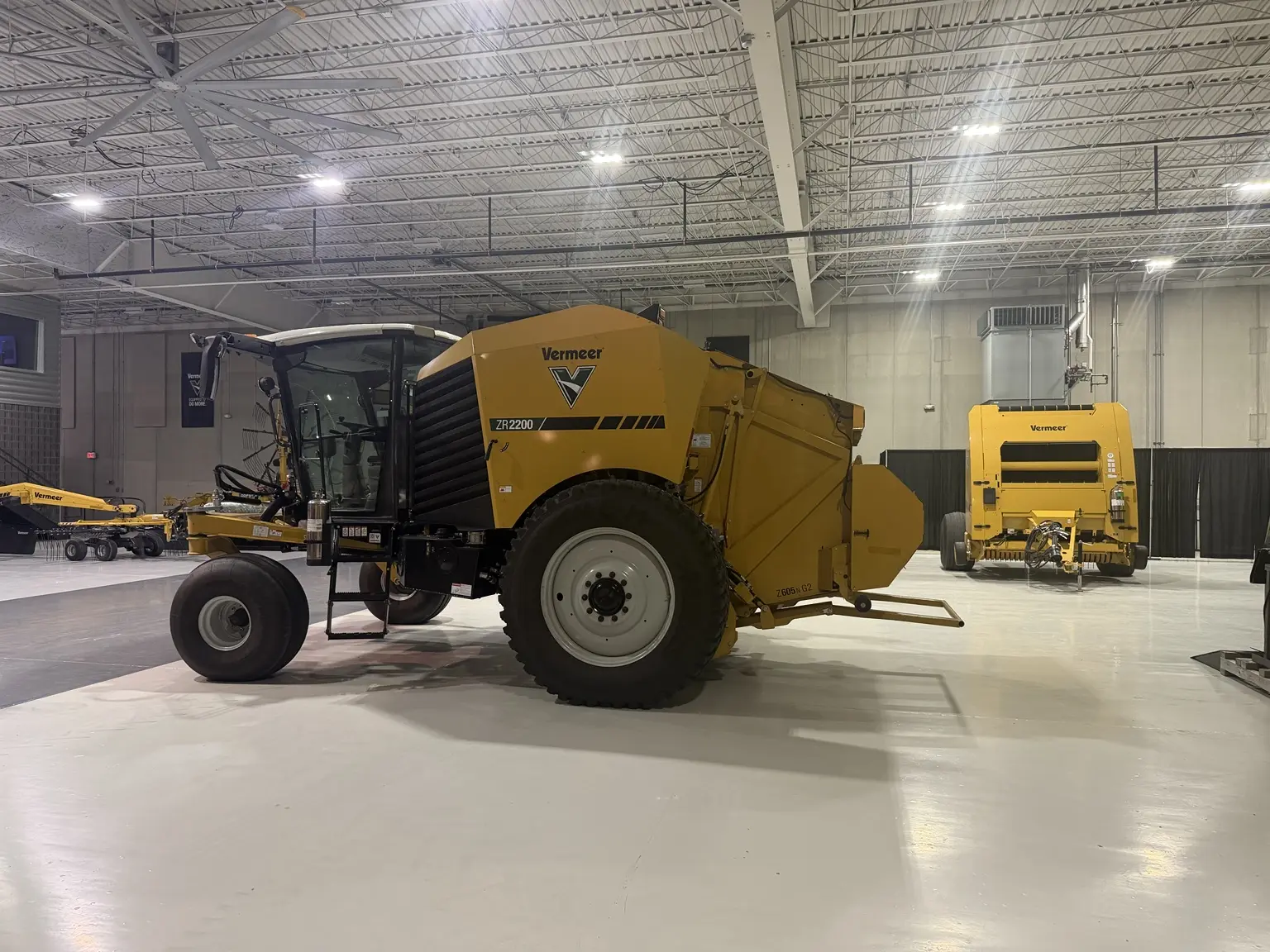
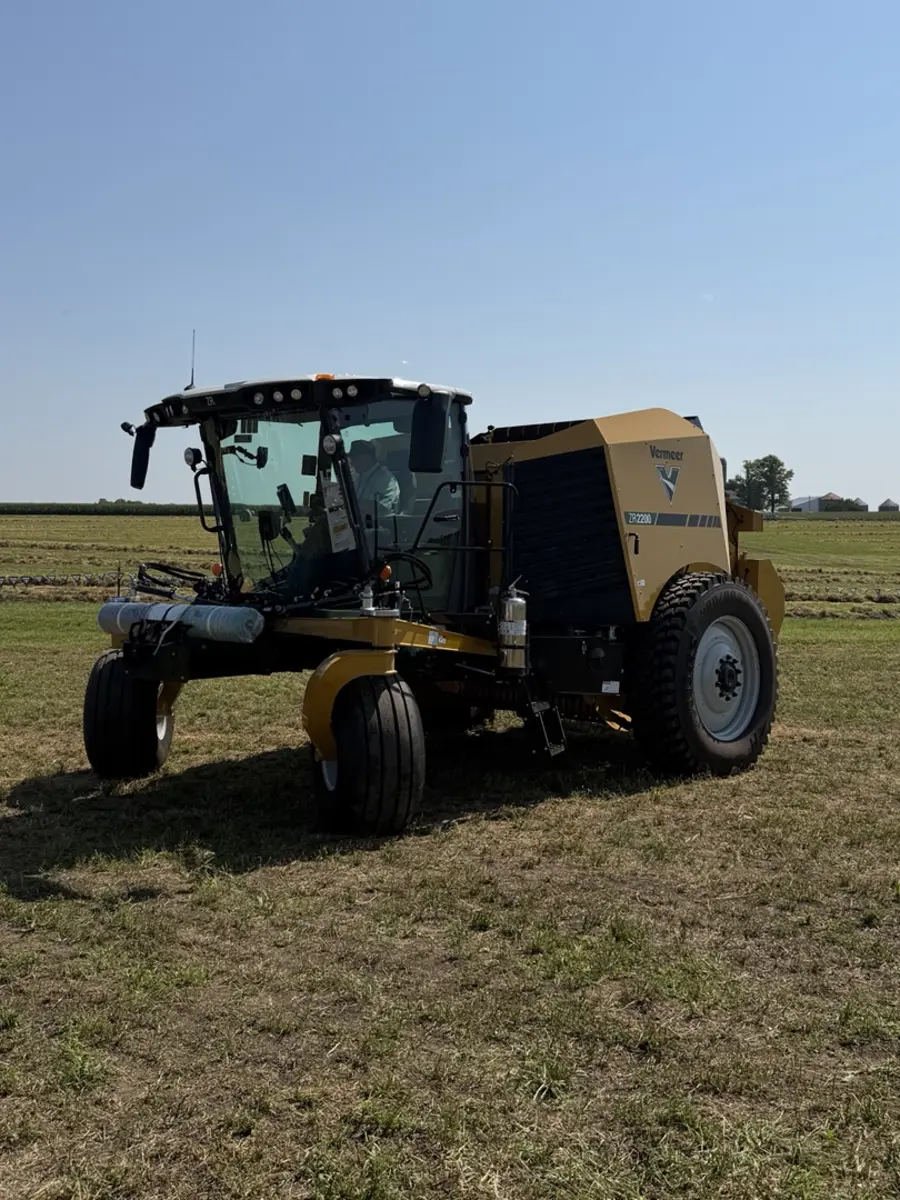
The new ZR deserves its own story because it is not another trim level in the 605S family. It is a self-propelled baling system—and evaluating it only by comparing baler specifications misses most of the value.
At Shepherd’s Garage, we approach this introduction as both a Vermeer dealer and a ZR owner. We already know what automation, hydraulic drive and zero-turn maneuverability change in the field. The question in Pella was how Vermeer improved that complete experience.
01
One complete machine, two major components
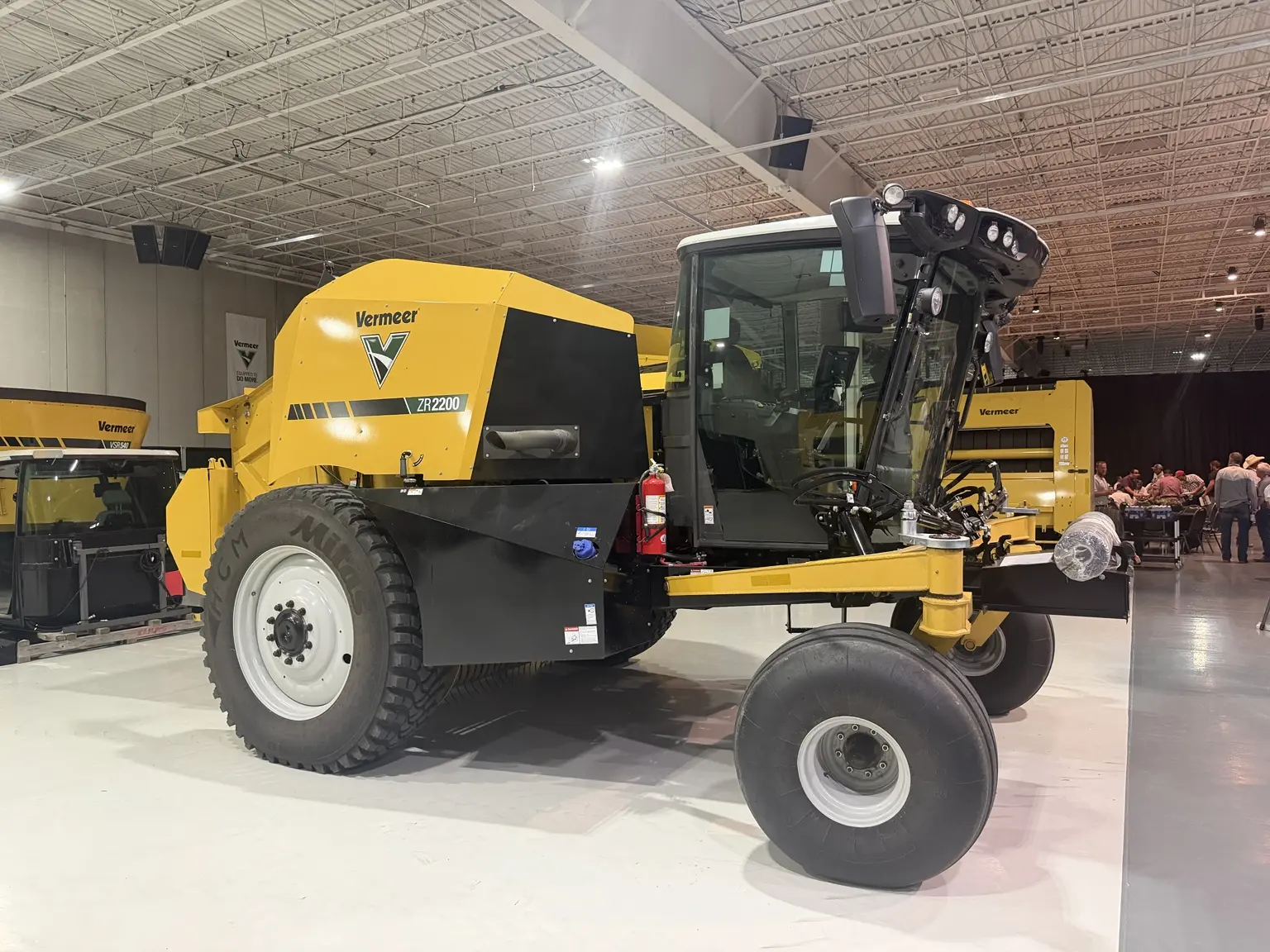
ZR-5N G2 is the complete self-propelled baling machine. It combines the ZR2200 power unit with the Z605N G2 bale chamber. The power unit supplies the operator environment, Cummins® power and maneuverable chassis; the Z605N G2 is the second-generation crop-processing and bale-forming system behind it.
02
Better use of the available power
Vermeer retained the 200-horsepower Cummins engine. A Vermeer field sales specialist attributed the improved baling experience to enhanced baler motors working with a density system designed to make more effective use of that power.
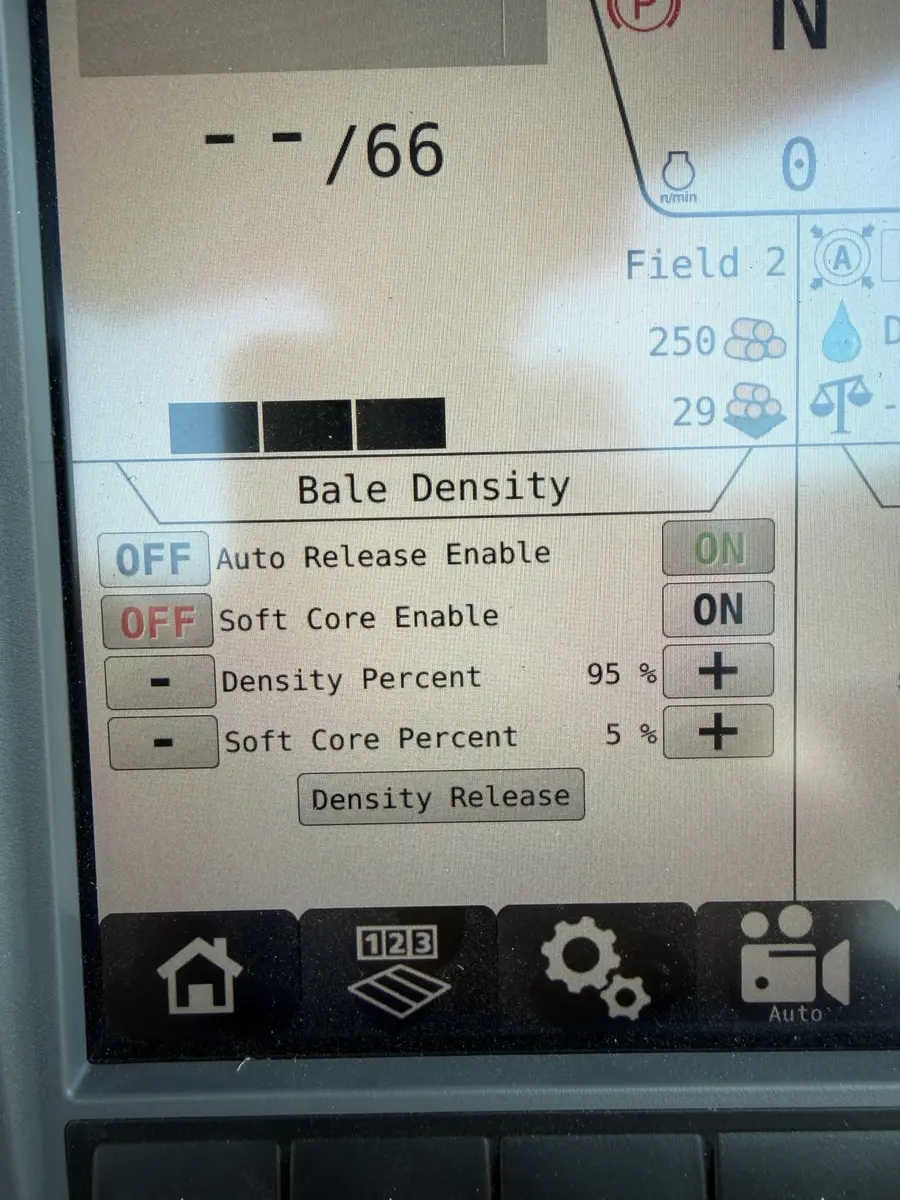
The G2 adds in-cab density adjustment, including soft-core capability. It can automatically release density pressure when a slug is encountered, and the operator can release pressure from the cab for service. These are not brochure-only changes. They give the operator more control over crop flow, bale formation and recovery when conditions are difficult.
The goal is not simply more horsepower. It is making the engine, baler motors and density system work together more effectively.
03
The cab improvements are small until you spend all day in it
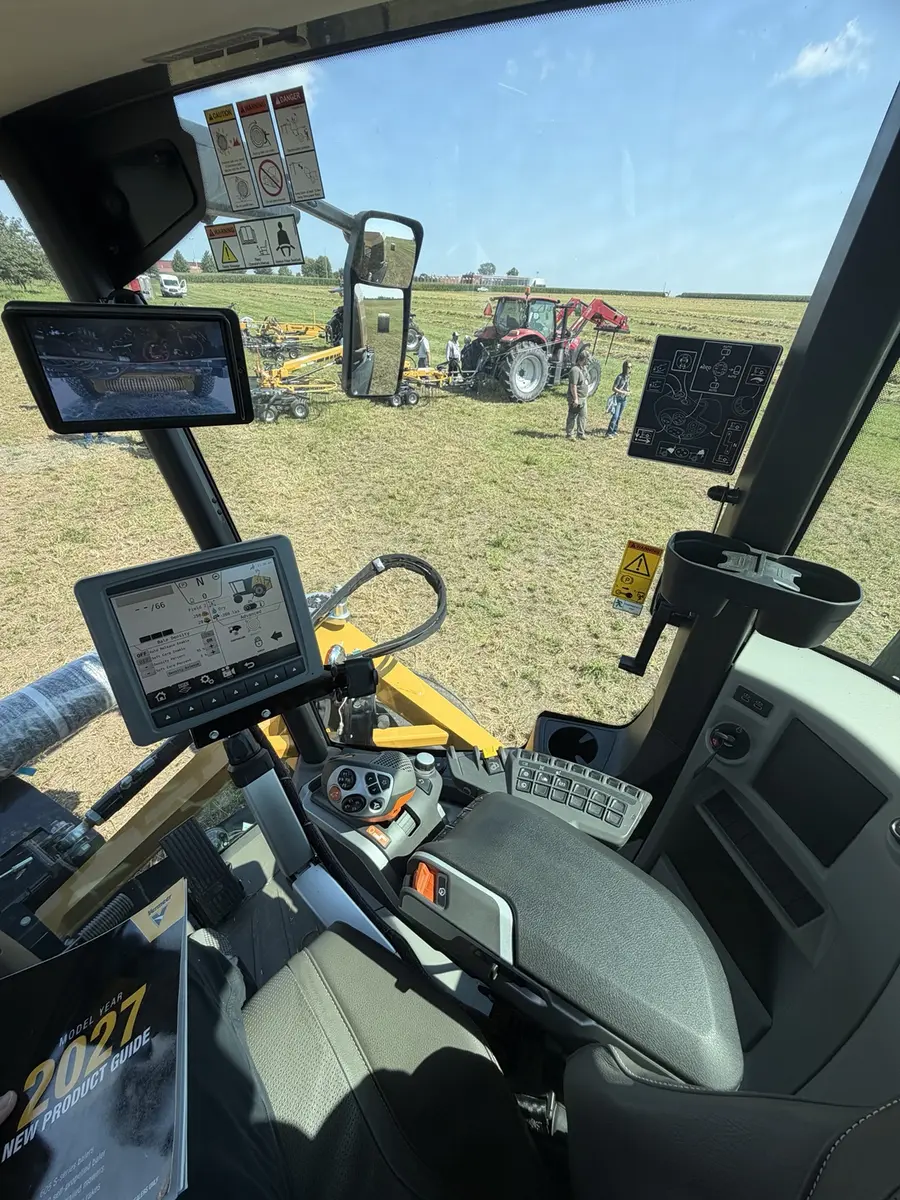
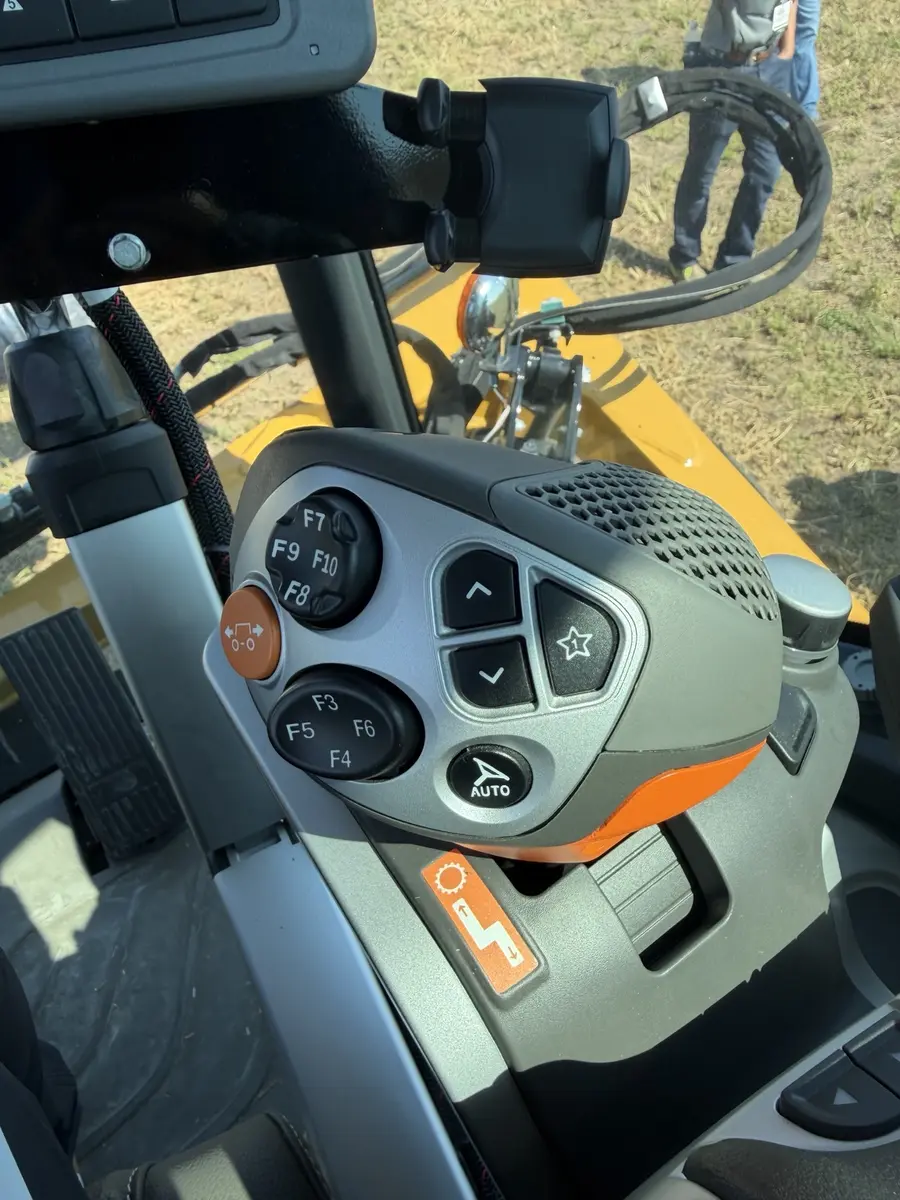
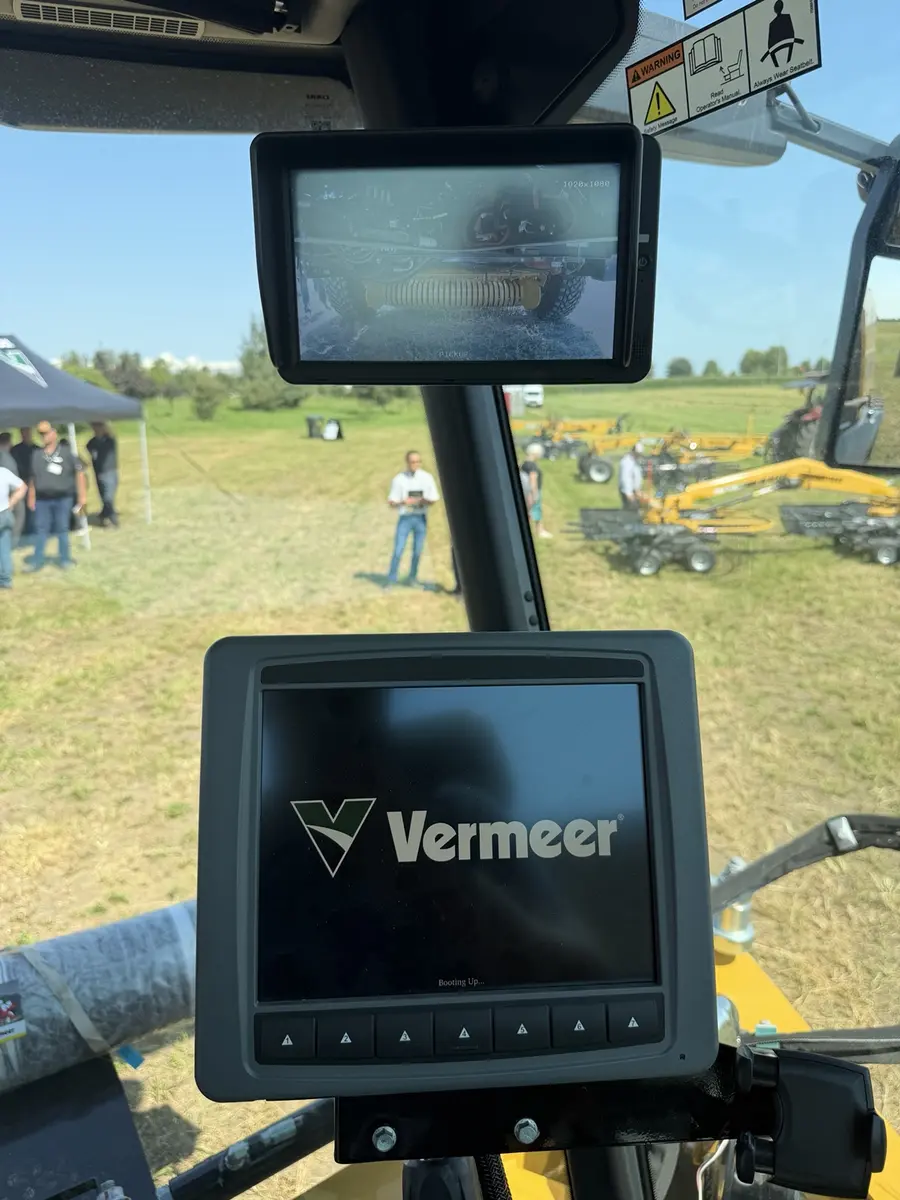
The G2 adds a more ergonomic joystick, increased work lighting, five cupholders and dual USB-C charging. Its auto-changing color and infrared camera display switches between pickup and tailgate views, while the 10.4-inch touchscreen carries the machine controls.
The showcase machine also included front-mounted storage and a tethered fuel cap. Those details sound minor until a long day exposes every awkward reach—or a cap disappears in a field. They reflect the practical side of ownership.
04
The real advantage is the complete baling cycle
Hydraulic drive with load sensing lets the pickup and bale chamber operate independently, and the pickup can be reversed when crop flow becomes a problem. The machine automates the stop, tie, turn, bale-ejection and tailgate cycle, while zero-turn maneuverability shortens the trip to the next windrow.
In the right conditions, we have seen production exceed 40 bales per hour. But the value is not captured by peak output alone. Faster turnarounds, consistent cycles, forward visibility, fewer tires in the field, no tractor-to-baler hitch and a less exhausted operator at the end of the day distinguish the ZR from a tractor and pull-type baler.
Road and field modes, automatic lubrication, temperature monitoring and the ability to exchange the bale chamber add to the platform’s versatility. TempSense™ monitors 19 high-wear bearings, while Auto Lube services eight bearings and the density-arm pivots. The result is not simply a faster baler. It is a machine designed around the full workday.
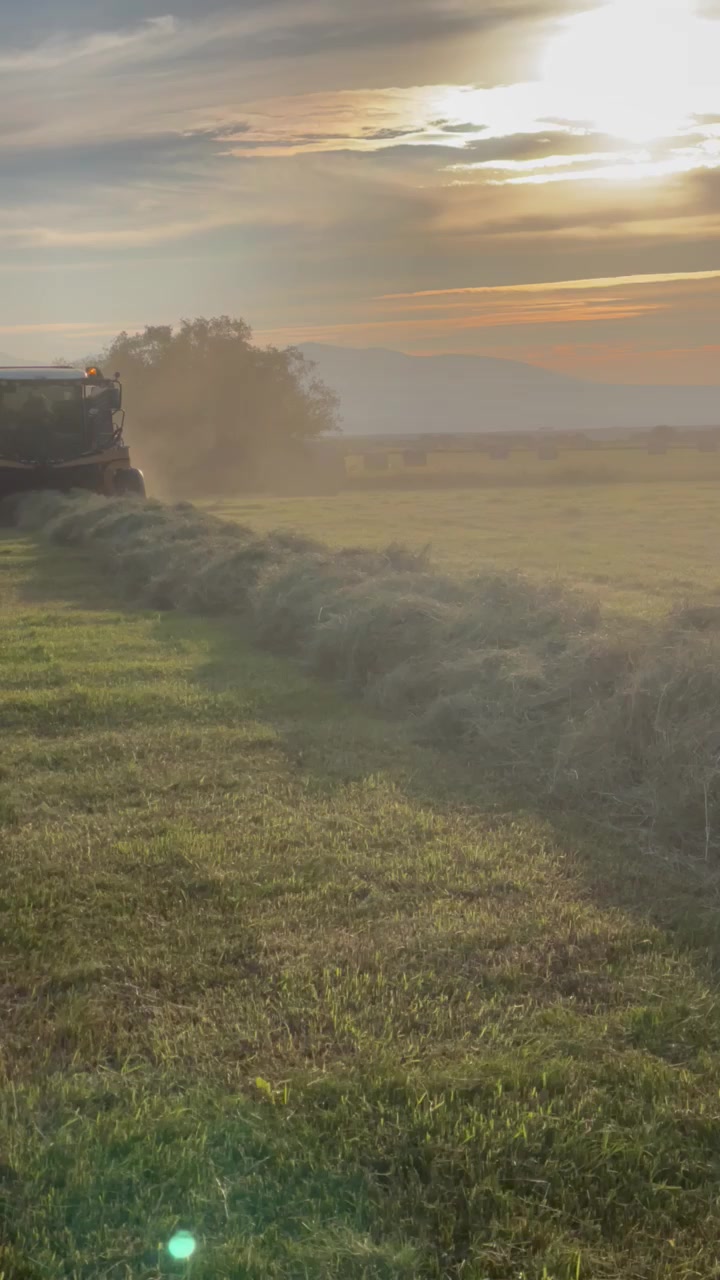
Watch the complete bale-and-eject cycle
This clip shows the machine doing the work directly: finishing the bale, stopping, tying, turning and ejecting before returning to the windrow.
05
The ZR is not automatically the answer
A self-propelled baler brings more capability, but also more capital and a different ownership model. Its value depends on annual bale count, windrow conditions, labor availability, tractor opportunity cost, operator fatigue and how much additional production can be captured during narrow baling windows.
For the right operation, the ZR changes the economics of the entire day. For the wrong operation, it is more machine than the business needs. That is why it should be evaluated separately from choosing among the 605S configurations.
Evaluate the complete operation
Is self-propelled baling worth it for you?
Bring us your annual volume, current tractor-and-baler setup, labor constraints and real baling windows. We will help work through the return, including where the ZR adds value and where it may not.
The complete showcase package
What Vermeer Unveiled at the 2026 Forage Product Showcase
Read story →605S field reportInside the Vermeer Product Showcase: The New 605S Round Baler Series
Read story →Inside the Vermeer Product Showcase: The New ZR-5N G2
Preproduction equipment is shown and described. Features, specifications, configurations and availability are subject to change. Confirm final details with Shepherd’s Garage.